
Finding the right branding company for small businesses can be a game-changer, especially for entrepreneurs in Oregon looking to stand out in a crowded market. As a small business owner in Oregon, you juggle a lot. It’s easy to think branding is just a buzzword or an afterthought in your marketing plan. However, a well-defined brand can be the difference between thriving and merely surviving in today’s crowded marketplace.
Branding isn’t just about your logo or colors. It’s the entire experience your customers have with your business. From the way you communicate to the service you provide, every interaction shapes your brand. That’s why it’s critical to carve out a unique identity that resonates with your audience. When your brand stands out, you increase your chances of attracting the right customers, establishing trust, and driving growth.
Now, let’s clear up a common misconception: branding and marketing aren’t the same. Branding is about who you are as a business—your values, mission, and vision. It creates an emotional connection with your audience. On the other hand, marketing is how you communicate that identity to the world. It involves the tactics and channels you use to reach out to potential customers.
In Oregon, where many small businesses compete in local and online markets, your brand can be a powerful differentiator. It showcases what makes you unique and why customers should choose you over a competitor. In recent years, as consumers become more discerning, they want to support brands that align with their values. Understanding the relationship between branding and marketing can help you pinpoint your audience and tailor your approach effectively.
Investing in branding is not just about aesthetics; it’s about creating a solid foundation for your business. It informs every aspect of your marketing efforts and guides your business decisions, ensuring consistency and relevance in a fast-paced, ever-changing market.
Understanding the Small Business Branding Landscape
When it comes to small business branding, you’re laying the groundwork for your identity and reputation. Branding isn’t confined to just one element; it encompasses multiple components that work together to create a cohesive image in the minds of your customers.
The Core Elements of Branding
Logo Design: Your logo is often the first thing people notice. A strong logo serves as a visual shorthand for your brand, encapsulating your identity in a single graphic. It should be memorable and reflective of your mission—think of it as a symbol that speaks for your brand.
Brand Identity: This goes beyond your logo. Your brand identity includes your color palette, typography, graphics, and any visuals that represent your business. Consistency in these elements not only makes your business recognizable but also builds trust with your audience.
Brand Messaging: This is how you communicate your values and what makes your business unique. It includes your tagline, mission statement, and the overall tone of voice in your writing. Effective messaging tells customers who you are and what you stand for.
Style Guides: A well-crafted style guide outlines the rules for using all branding elements. It serves as a blueprint to ensure your brand’s voice and visual style remains consistent across all platforms—whether it’s your website, social media, or printed materials. This is crucial for maintaining brand integrity.
The Role of Branding Agencies and Consultants
You don’t have to navigate this landscape alone. That’s where branding agencies and consultants come in. They specialize in guiding small businesses like yours through the branding process. Their expertise allows them to see the bigger picture and ensure that all elements work harmoniously to create a strong brand.
A branding agency typically offers a suite of services that cover everything from brand strategy development to design execution. They help you define your identity, create engaging visuals, and establish a compelling narrative to connect with your target audience. This support can be invaluable, especially if you’re not familiar with branding fundamentals.
Consultants, on the other hand, may focus on specific areas of branding or offer tailored advice to enhance your existing strategy. They often work closely with your team to refine your brand’s messaging and ensure it resonates with your audience, making adjustments as necessary to align with evolving market trends.
Both types of support can save you time and help prevent costly mistakes. By understanding your branding landscape, you’ll be better equipped to make informed decisions that elevate your business.
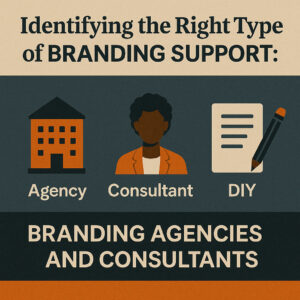
Identifying the Right Type of Branding Support: Agency vs Consultant vs DIY
Deciding how to tackle your branding can feel overwhelming, especially when you’re running a small business. You might ask yourself, “Should I hire a branding agency, work with a consultant, or just take the DIY route?” Each option has its advantages and drawbacks, and understanding them will help you make a choice that fits your needs, budget, and goals.
Branding Agencies
Agencies offer a comprehensive approach. They typically provide a range of services, covering everything from developing your brand strategy to designing your visual identity. If you want an all-in-one solution that handles multiple facets of branding, an agency might be the right pick. They often have a team of specialists, like designers, strategists, and copywriters, all working together to create a cohesive brand experience. This can be particularly beneficial for small businesses that lack in-house expertise.
However, keep in mind that agencies can be on the pricier side. If your budget allows for it and you’re looking for a deep dive into all aspects of branding, an agency can offer extensive support that drives results.
Branding Consultants
On the other hand, consultants often focus on specific branding challenges. They’re great for businesses that already have some brand presence but need guidance on refining it. A consultant can offer tailored advice, help you implement brand strategies, and provide insights based on their industry experience. If your brand needs a makeover or a fresh perspective, a consultant might be the ideal choice.
The upside? Hiring a consultant is generally more affordable than an agency, making it an attractive option for small businesses with tighter budgets. Just ensure that the consultant’s expertise aligns with the specific needs of your brand.
Going the DIY Route
If you have a keen sense of your brand and a bit of design skill, the DIY approach could be an option. Many businesses successfully manage their branding by using online tools and resources. This route often involves more legwork, as you’ll be responsible for defining and implementing all brand elements yourself. While it’s economical, it can lead to inconsistencies if you’re not careful.
Before committing to DIY, consider these questions:
- Do you have the time and skills to invest in creating a cohesive brand?
- Are you familiar with branding principles and design?
- Can you ensure consistency across all platforms?
If your answers lean towards uncertainty, you might want to reconsider your options. Branding is too important to leave to chance, especially when you’re trying to stand out in a competitive market.
Evaluating Your Needs
Before making a decision, take a moment to evaluate:
- Your Budget: How much can you realistically invest in branding support?
- Your Goals: What are you hoping to achieve with your branding?
- Your Expertise: Do you or your team have the skills needed for DIY branding?
By examining these aspects, you’ll be in a better position to determine which type of branding support aligns best with your vision and financial capacity. Remember, each approach has its own merits, and the right choice depends on your specific circumstances.
Key Services Offered by Branding Companies for Small Businesses

When you decide to pursue professional branding, knowing the core services that branding companies offer can help you maximize your investment and ensure that your business stands out. Here’s a closer look at the essential services small business branding agencies provide.
Brand Strategy Development
A solid brand strategy is the blueprint for your brand’s success. This involves defining your brand’s mission, vision, and values, as well as identifying your target audience. A well-crafted strategy aligns your brand with your business goals and serves as a guide for all future branding efforts. With a clear roadmap, you can communicate more effectively and capture the attention of your desired customers.
Logo Creation
Your logo is more than just a graphic; it’s often the face of your business. A professional branding agency can create a logo that embodies your brand’s essence and mission. This service includes brainstorming ideas, design drafts, and refinements to ensure that the final logo resonates with your audience and sets the right tone.
Visual Identity Building
Visual identity encompasses all the visual elements that represent your brand, including colors, typography, and imagery. Branding agencies help establish these connections to ensure a cohesive look across all platforms. This consistency builds recognition and reinforces trust with your customers, making your brand memorable.
Brand Messaging
How you talk about your brand is just as important as how it looks. Brand messaging includes your tagline, key phrases, and overall tone. Agencies work with you to develop messaging that captures your business’s values and appeals to your audience’s emotions. Strong messaging not only communicates your brand effectively but also helps build loyalty.
Website and Social Media Branding
Your online presence is critical, and effective branding extends to your website and social media channels. A branding agency ensures that your online platforms reflect your brand consistently. This includes everything from website design and layout to social media graphics and post templates. An engaging online presence attracts customers and keeps them interested in what you have to offer.
Marketing Collateral Design
Every piece of marketing material represents your brand. This includes brochures, business cards, flyers, and promotional items. Branding companies can create visually appealing and strategically designed collateral that aligns with your branding efforts and enhances your professional image. Being consistent across all collateral helps reinforce your brand in your customers’ minds.
Ongoing Branding Service Packages
Branding isn’t a one-time project; it requires regular updates and maintenance. Many branding agencies offer ongoing service packages. These may include regular audits of your branding strategy, updates to your marketing materials, and new design elements as your business grows. Investing in ongoing support ensures your brand remains relevant and effectively communicates with your audience over time.
Affordable Small Business Branding Services
Cost is often a concern for small business owners, but quality branding doesn’t have to break the bank. Many agencies understand the unique challenges small businesses face and offer affordable packages designed for your budget. Investing in branding as part of your overall marketing strategy can drive growth and enhance your online presence without overspending.
By leveraging these services, you’re not just investing in graphic designs or logos; you’re investing in a comprehensive approach to building a brand that resonates with your audience and fosters growth. Take the time to find a branding agency that aligns with your vision, so you can create something truly impactful for your business.
How to Choose the Best Branding Company for Your Small Business in Oregon

Finding the right branding company for your small business can feel daunting. With so many options in Oregon, you’ll want a partner that understands your unique needs and can help you stand out. Here’s a simple, step-by-step guide to evaluate branding agencies and consultants effectively.
1. Assess Their Portfolios
Your starting point should be the agency’s or consultant’s portfolio. Look for diversity and creativity in their past projects. Pay attention to:
- Industry Experience: Have they worked with businesses similar to yours? Familiarity with your industry can make a difference.
- Design Quality: Do their designs resonate with modern aesthetics? Good branding should look polished and professional.
- Results Achieved: If possible, find out how their branding efforts impacted previous clients. Look for testimonials or case studies that indicate successful outcomes.
2. Read Client Reviews
Don’t just take their word for it—read what their clients say. Reviews provide valuable insights into an agency’s reliability and service quality. Consider:
- Communication: Are they known for being responsive and communicative? You want a partner who keeps you in the loop.
- Timeliness: Do clients mention the agency meeting deadlines? Timeliness is critical for your branding rollout.
- Satisfaction: Look for consistent positive feedback regarding results and client support.
3. Understand Their Pricing Structure
Budget is always a consideration for small businesses. Make sure you understand how the agency’s pricing works. Look for:
- Transparency: Are they clear about their rates, fees, and any additional costs?
- Value for Money: Consider what additional services you’re getting. A higher initial cost might provide more comprehensive support.
- Flexible Options: Do they offer packages that can be tailored to meet your budget and needs?
4. Evaluate Their Local Presence
A strong local presence can be advantageous, especially in a close-knit community like Oregon. Ask yourself:
- Familiarity with the Local Market: Does the agency understand Oregon’s unique business landscape and consumer behavior?
- Availability for In-Person Meetings: Can you meet in person if necessary? Face-to-face communication can enhance collaboration.
5. Look for Expertise with Small Business Brands
Not all agencies specialize in small businesses. Make sure to assess:
- Tailored Services: Do they offer services specifically designed for small businesses?
- Success Stories: Do they have a track record of helping small brands succeed?
6. Explore Their Digital Marketing Synergy
Branding and marketing go hand-in-hand, especially online. Check if they have:
- Combined Branding and Marketing Services: Can they help with digital marketing alongside branding?
- Knowledge of SEO and Online Presence: A good branding company understands how to optimize your brand for search engines and social media.
In summary, investing time in evaluating potential branding partners can significantly influence the success of your brand. By following these steps, you’ll gather critical insights that will lead you to the right branding company that understands your vision and can help you thrive in the Oregon market.
Top Local and National Branding Agencies Worth Considering
When it comes to selecting the right branding agency, having options is key. In Oregon, you’ll find a mix of local talents and national firms that can support your small business branding needs. Here’s a look at some of the noteworthy branding agencies, comparing the strengths and weaknesses of local versus national firms.
Local Branding Agencies
Choosing a local agency has its advantages, especially when they understand the Oregon market and its unique consumer dynamics. Here are a few standout local agencies:
- Agency A: Specializes in outdoor and lifestyle brands, ideal for businesses that resonate with Oregon’s vibrant outdoor culture. They offer a personal touch with a focus on storytelling.
- Agency B: Known for their quick turnaround times and transparency in pricing. They cater to a variety of sectors and pride themselves on hyper-local strategies.
- Agency C: A boutique agency that focuses on eco-friendly brands. They integrate sustainability into their branding strategies, aligning perfectly with Oregon consumers’ values.
Pros of Local Agencies:
- Deeper understanding of local market trends.
- Flexibility for in-person meetings and collaboration.
- Stronger community connections that can enhance brand visibility.
Cons of Local Agencies:
- Limited resources or expertise compared to larger firms.
- May not have as extensive a portfolio of services as national agencies.
National Branding Agencies
National brands bring a breadth of experience, diverse skills, and extensive portfolios. Here are some top national firms that serve Oregon businesses:
- Agency D: A renowned agency with a strong reputation for developing comprehensive brand strategies. They have experience across various industries but may come with a higher price tag.
- Agency E: Offers a robust suite of digital marketing and branding services, making them ideal for businesses seeking holistic branding solutions.
- Agency F: Known for their data-driven branding approaches, they can help optimize your brand’s performance across multiple platforms.
Pros of National Agencies:
- Access to a larger pool of specialized talent and resources.
- Proven track record with big-name clients that can lend credibility.
- Extensive expertise in diverse markets and sectors.
Cons of National Agencies:
- Higher cost than local agencies may deter small businesses.
- Less personalized service due to larger client bases.
Typical Budgets
Understanding the range of budgets for branding services can help you align your expectations:
- Local Agencies: Typically, budgets range from $3,000 to $10,000 for comprehensive branding packages.
- National Agencies: Expect to invest between $10,000 to $50,000 or more, depending on the project’s scope and agency reputation.
Keep in mind that while localized agencies may offer more budget-friendly options, the depth and breadth of services provided by national firms come with additional investment. Assess your specific needs and budget to find the most suitable option for your business.
In the end, whether you choose a local or national agency, the critical factor is aligning your brand vision with their expertise. Find a partner that resonates with your goals and understands the unique aspects of the Oregon market, ensuring a branding strategy that effectively captures your essence and drives growth.
Budgeting and ROI: What to Expect When Investing in Branding Services
Deciding to invest in branding is a significant step for your small business. But how much should you allocate to branding services, and what can you expect in return? Let’s break it down.
Typical Price Ranges for Branding Projects
Branding costs can vary widely based on the agency or consultant you choose, the scope of your project, and your specific business needs. Here’s a general idea of what to expect:
- Local Agencies: For small business branding packages, expect to spend anywhere from $3,000 to $10,000. This often includes essentials like logo design, brand strategy, and some marketing collateral.
- National Agencies: If you’re looking at larger firms, budget from $10,000 to $50,000 or more. These agencies often provide a more extensive suite of services, which may include market research, comprehensive strategies, and ongoing support.
While it’s essential to stay within your budget, cutting corners on branding can lead to missed opportunities down the road. Invest wisely to reap long-term benefits.
The Value of Branding Investment
Branding isn’t just an expense; it’s an investment that pays off. Here’s how:
- Increased Recognition: Strong branding helps your business stand out in a sea of competitors. Consistent branding increases recognition, making it easier for customers to remember you and differentiate your offerings.
- Improved Customer Loyalty: A well-defined brand creates emotional connections. When customers resonate with your brand values and story, they are more likely to return and recommend your business to others.
- Enhanced Perceived Value: Effective branding can elevate your perceived value. Customers often associate quality with well-defined brands, which can allow you to charge premium prices.
- Better Marketing Efficiency: With a strong brand, your marketing efforts become more coherent and focused. This clarity can lead to higher conversion rates and lower customer acquisition costs.
Each of these factors contributes to your bottom line. By investing in branding, you’re setting the stage for sustainable growth.
Maximizing Your Branding Spend
Here are some practical tips to ensure you get the most from your branding budget:
- Set Clear Goals: Before diving into branding, establish what you want to achieve. Whether it’s increasing market share, launching a new product, or reaching new customer segments, clear goals will guide your branding efforts.
- Choose the Right Partner: Look for agencies or consultants who understand your unique challenges as a small business. Their expertise should align with your vision and demonstrate a track record of success with similar brands.
- Stay Engaged: Collaborate closely with your branding partner. Providing feedback and input will ensure the final result aligns with your expectations and business needs.
- Track Performance: Once your brand is live, monitor its performance. Use metrics like customer engagement, sales growth, and social media metrics to assess the impact of your branding investment.
Being proactive about your branding strategy and investments can significantly improve long-term results. Remember, branding is not a one-and-done project; it’s an ongoing effort that requires evaluation and adjustment as your business evolves.
In Oregon’s competitive business landscape, every dollar counts. Make sure your branding investment is not just a cost but a powerful tool that enhances your online visibility and drives growth.
Integrating Branding with Marketing Strategies for Small Business Growth
When you think about branding and marketing, it’s easy to view them as separate pieces of your small business puzzle. However, they should work together seamlessly to create a cohesive experience for your customers, both online and offline. Strong branding supports your marketing strategies and vice versa, ensuring your voice and message resonate across every interaction.
How Branding Enhances Marketing Efforts
Effective branding lays the groundwork for your marketing campaigns. It defines how your audience perceives you and can significantly influence their decisions. Here’s how branding integrates with various marketing strategies:
- Consistent Brand Messaging: Consistency is vital. When your messaging aligns across every platform—be it your website, social media, or email campaigns—it reinforces your brand identity. Customers should see and feel the same message regardless of how they engage with you. This uniformity builds trust and recognition over time.
- SEO and Branding: Search engine optimization (SEO) goes hand in hand with branding. A strong brand identity can improve your searchability. By using consistent keywords and phrases that reflect your brand in your content, you enhance your chances of ranking higher in search results, which brings more visibility to your business.
- Social Media Presence: Your social media platforms are an extension of your brand, and they offer a space to build relationships with your audience. By maintaining a consistent brand voice and visual identity across all social channels, you engage your followers and encourage them to share your content with their networks, further amplifying your reach.
- Paid Advertising Campaigns: Paid ads benefit from a strong brand presence. When users encounter ads that align with your established brand—using similar visuals and messaging—they’re more likely to connect the dots and engage. Consistency in branding drives higher click-through rates, making your ad spend more effective.
The Role of Branding Companies
Branding companies are pivotal in bridging the gap between branding and marketing. They often collaborate closely with marketing teams to align efforts, ensuring that all branding elements are incorporated into your marketing strategies. Here are some key functions they serve:
- Strategic Guidance: Branding companies help refine your brand’s message and positioning, providing insights that inform your marketing campaigns. They understand the nuances of your target audience and can shape strategies that resonate.
- Creative Development: From ad designs to social media graphics, branding agencies create visually compelling materials that reflect your brand’s identity. This creative flair attracts your audience and keeps your messaging engaging.
- Performance Tracking: Many branding agencies also have access to analytics tools to track the performance of both branding and marketing efforts. By analyzing this data, they can suggest adjustments to optimize effectiveness, ensuring your strategies evolve with market shifts.
Incorporating branding into your marketing strategy isn’t just about consistency; it’s about creating a holistic experience that speaks to your customers. Your branding shapes the story you tell and how you connect with your audience, ultimately driving your business growth in Oregon’s competitive landscape.
Practical Steps for Small Businesses to Implement Their New Brand
Rolling out your new brand isn’t a one-time event; it’s an ongoing process that requires careful planning and execution. Here are some practical steps to help you launch your new branding effectively so it resonates with your audience and reflects your business identity.
Website Updates
Your website is often the first point of contact for potential customers, making it imperative to align it with your new brand identity. Start by:
- Updating Visual Elements: Refresh your logo, color scheme, and typography. Ensure they match your new branding.
- Enhancing Brand Messaging: Revise content to reflect your brand voice and key messages. Ensure that your mission, values, and unique selling propositions are prominently featured.
- Improving User Experience: Make navigation intuitive. A well-structured website enhances the user experience, encouraging visitors to stay longer and explore more.
Social Media Adoption
Social media is a powerful tool for brand engagement. To align your social media presence with your new brand:
- Update Profiles: Revise your bios, profile pictures, and cover images to reflect your new branding.
- Consistent Content: Share content that communicates your brand message consistently across platforms. Use your brand voice and visual style in all posts.
- Engagement: Interact with your audience through comments, shares, and direct messages. Building a relationship fosters loyalty and community around your brand.
Employee Training on Brand Voice
Your employees are your brand ambassadors. Train them on your new brand identity by:
- Conducting Workshops: Organize sessions to familiarize employees with the new brand voice, values, and mission, so they feel invested in representing the brand.
- Creating Brand Guidelines: Develop documents that include tone of voice, messaging tips, and style guidelines to help employees communicate consistently.
- Encouraging Feedback: Allow your team to express their insights. Engaged employees contribute positively to brand representation.
Packaging Adjustments
If you sell physical products, your packaging is an extension of your brand. To ensure your packaging aligns with your new identity:
- Design Alignment: Update packaging designs to incorporate your new logo, color palette, and overall brand messaging. This ensures visual consistency.
- Sustainability Considerations: If your brand emphasizes eco-friendliness, opt for sustainable materials that reflect your values.
Customer Communication Aligned with New Brand Identity
Every interaction with your customers should reinforce your new brand identity. Here’s how:
- Revise Email Communications: Update email signatures, templates, and marketing emails to adhere to your new branding.
- Consistent Messaging: Ensure all customer communications—whether you send out newsletters or respond to inquiries—reflect your brand voice and values.
- Gather Feedback: Encourage customer feedback on the new brand. It shows you care about their opinions and helps identify areas for improvement.
By methodically implementing these steps, you create a strong and memorable brand presence that resonates with your audience. This foundational work not only strengthens your brand but also sets the stage for future growth. Remember, consistency is key—every touchpoint with your customer should reflect your brand’s identity and values.
Common Challenges Small Businesses Face in Branding and How to Overcome Them
As a small business owner in Oregon, you might encounter some common challenges when it comes to branding. Understanding these obstacles can be the first step toward effectively overcoming them and establishing a strong brand. Let’s break down a few frequent issues you may face and practical solutions that can help.
Limited Budget
Budget constraints are a reality for many small businesses, especially when prioritizing where to spend your money. Branding can seem like a luxury when you’re focused on day-to-day operations. However, skimping on branding can lead to missed opportunities for growth and recognition.
Solution: Look for affordable branding packages specifically designed for small businesses. Many agencies understand your budget constraints and can offer tailored solutions that fit your needs. Consider phased branding approaches, where you can break down the process into manageable stages. This can help you spread out costs while still progressing towards a cohesive brand identity.
Unclear Brand Identity
If you haven’t defined your brand’s mission, values, or unique selling propositions, it can be tough to communicate consistently. A lack of clarity can confuse potential customers and lead to an inconsistent brand message.
Solution: Take the time to articulate your brand identity. Create a brand strategy that outlines your mission, vision, and core values. Working with a branding consultant can help clarify these elements and guide you in conveying your brand effectively. Once you have a clear identity, it will inform all your marketing efforts, making them more focused and coherent.
Lack of Expertise
Branding is a specialized field, and it’s normal to feel out of your depth when trying to tackle it alone. Many small business owners lack the skills or experience to create a compelling brand.
Solution: Consider hiring branding experts or consultants who can guide you through the branding process. They offer valuable insights and strategies that you might not have considered. Collaborating with these professionals ensures you avoid costly mistakes and align your brand with industry best practices.
Local Market Understanding
Understanding the local market dynamics is crucial, especially in a state as diverse as Oregon. Without local insights, your branding efforts might miss the mark.
Solution: Partner with branding agencies familiar with the Oregon landscape. They can help you navigate unique cultural nuances and consumer behaviors that are vital for effective branding. Look for agencies that have a track record of working with small businesses in your area to leverage local knowledge for branding strategies.
Phased Branding Approaches
Implementing a new brand can feel overwhelming, particularly when considering all the elements that need aligning. It can be tricky to achieve a perfect rollout without feeling rushed or cutting corners.
Take a phased approach. Break down your branding efforts into stages. Start with foundational elements, such as your logo and core messaging. Then, gradually build out more complex aspects like visuals and marketing collateral. This method prevents burnout and allows for thoughtful development at each step.
By anticipating these challenges and implementing these solutions, you not only simplify the branding process but position yourself for growth. Remember, branding is a long-term investment in your business’s identity and reputation. Don’t hesitate to seek professional guidance when you need it; your brand’s success is worth it.
Case Studies: Successful Small Business Branding Stories from Oregon
Let’s take a look at how some small businesses in Oregon have harnessed the power of branding to elevate their presence, engage customers, and drive growth. These success stories illustrate that effective branding goes beyond just a logo; it encompasses the entire customer experience.
1. The Coffee Corner
Background: The Coffee Corner is a small café in downtown Portland that started as a local favorite but struggled to reach a broader audience.
The Challenge: The café had little brand recognition outside its immediate neighborhood. With increasing competition, they needed a fresh identity to attract new customers while retaining their loyal base.
The Branding Solution: Partnering with a local branding agency, they underwent a comprehensive rebranding process. This included a new logo, a cohesive color scheme, and updated menu designs that reflected their unique coffee sourcing story.
The Result: Within six months, The Coffee Corner saw a 30% increase in foot traffic and an impressive boost in social media engagement. Their new branding resonated with customers, enhancing their identity as a community-centric café. The fresh visuals and storytelling led to a noticeable uptick in merchandise sales, further driving revenue growth.
2. Green Earth Landscaping
Background: Green Earth Landscaping, based in Eugene, was struggling to differentiate itself in a crowded market of lawn care services.
The Challenge: Despite offering exceptional services, they lacked a clear brand message and visual identity, which hindered their ability to attract environmentally conscious clients.
The Branding Solution: After working with a branding consultant, they developed a compelling brand narrative focused on sustainability and eco-friendly practices. Their rebranding included a new logo, website design, and environmentally themed messaging.
The Result: Within a year, Green Earth Landscaping experienced a 40% increase in inquiries for their services. Their commitment to sustainability not only attracted niche customers but also led to partnerships with local eco-friendly organizations. They became the go-to choice for environmentally conscious landscaping, significantly boosting their market share.
3. Oregon Handmade Crafts
Background: Oregon Handmade Crafts is an artisan collective based in Bend, featuring local artisans and their handmade products. Initially, they had limited visibility outside local markets.
The Challenge: Despite having quality products, they struggled with brand consistency and appeared fragmented to potential customers.
The Branding Solution: By partnering with a branding agency, they crafted a unified brand identity that highlighted the artistry and uniqueness of each product. The agency developed a modern logo, a cohesive color palette, and a storytelling approach showcasing the artisans behind the crafts.
The Result: This rebranding initiative led to a remarkable 50% increase in online sales through their revamped website, which better showcased their products. With consistent branding across their platforms, they also expanded their presence at local events and increased customer engagement by 70% on social media, significantly enhancing their community involvement.
These case studies demonstrate that effective branding can take various forms, from improving customer experience to telling a story that resonates with your audience. Small businesses in Oregon can achieve significant results by investing in their brand identity, gaining not only recognition but also fostering a loyal customer base.

Conclusion and Call to Action
Branding is not just a marketing strategy; it’s the backbone of your business’s identity. As a small business owner in Oregon, you understand that standing out in a competitive market requires more than just quality products or services. It demands a well-defined brand that clearly communicates who you are and what you stand for.
Investing in branding can have a profound impact on your success. With a strong brand, you create lasting connections with your customers, build trust, and drive growth. You’ll find that effective branding resonates with your audience, enhances your visibility, and can even position your business for long-term success. It’s time to think thoughtfully about how you can leverage branding to elevate your small business.
If you’re ready to take the next step, I encourage you to explore partnerships with branding companies or consultants who specialize in working with small businesses. Start by considering the unique needs, goals, and budgets for your branding strategy. Reach out to local agencies that understand the Oregon market and can provide insights tailored to your audience.
Here are some initial steps to get you started:
- Assess Your Current Brand: Take a hard look at your existing branding. What aspects are working? Where do you see room for improvement?
- Research Branding Partners: Look for reputable branding agencies or consultants in Oregon. Check their portfolios and client reviews to find a good fit for your needs.
- Define Your Goals: Clearly outline what you want to achieve with your branding efforts, whether it’s increasing awareness, attracting new customers, or re-engaging existing ones.
- Schedule Consultations: Don’t hesitate to reach out for consultations. Most agencies offer initial meetings to discuss your needs and explore how they can help.
Embrace the power of branding and take the steps necessary to elevate your small business in Oregon. The perfect partner is out there, like Nesace Media, ready to help you craft a brand that not only represents you but also resonates with your audience.
Let’s make your brand a story worth telling.